
The short version
We work out where each player should come off the board in Dynasty PPR SF TEP, using what he is worth as an asset and how many points he projects above the last starter a league actually needs at his position. Then we compare that to Sleeper dynasty superflex ADP. The players below are the ones where those two numbers disagree most, in both directions.
The method
How the gap is worked out
Comparing a ranking to an ADP straight across does not work, and it fails in a way that looks convincing. A ranking places every player against every other player. An ADP prices scarcity. In a one-quarterback league nobody spends pick 50 on the eighth-best quarterback no matter how good he is, so those two numbers disagree about every quarterback, every year, and a naive comparison hands you a list of them and calls it a discovery.
So we put both sides in the same unit before comparing them. For each position we work out how many starters a league actually needs, including its share of the flex, and find what the last of those starters projects to score. Everything above that line is a real edge; everything below it is replaceable. That gives an order of preference, which we then lay over the pick slots the market genuinely spends. The result is a pick number for every player: where he would go if the room drafted the same names in our order.
The gap is that pick number against Sleeper dynasty superflex ADP. Positive means he lasts longer than we would wait. Two more things shape the list. Every player carries a confidence score that falls away as both numbers get less reliable, so a name 300 picks deep cannot top the board on the strength of two guesses disagreeing. And each position has its own median gap subtracted before ranking, because a model-wide argument about whether quarterbacks go too late is a strategy question, not something to repeat in thirty rows.
The board
Steals
Players our board wants earlier than the room takes them, measured against how the room prices their position, and only where we have enough data on both sides to mean it.
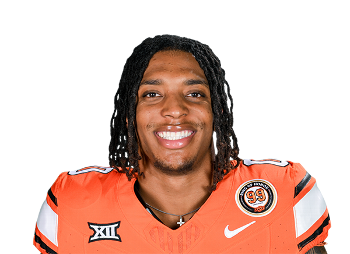 RBMiami DolphinsSteal
Goes at
224
We'd take
101
Lasts 123 picks longer than we would wait
Goes around pick 224 (round 19) in Dynasty PPR SF TEP. We would take him around 101, and he lasts 123 picks longer than that. He projects 35 points above a replacement RB over the season. Beats his weekly projection 42% of the time. Our own synced drafts let him fall even further, to about 231.
Pts vs replacement RB
35 over
Beats projection
42%
Confidence
High
 QBLas Vegas RaidersSteal
Goes at
229
We'd take
117
Lasts 112 picks longer than we would wait
Goes around pick 229 (round 20) in Dynasty PPR SF TEP. We would take him around 117, and he lasts 112 picks longer than that. He projects 31 points above a replacement QB over the season. Beats his weekly projection 52% of the time.
Pts vs replacement QB
31 over
Beats projection
52%
Confidence
High
 WRLas Vegas RaidersSteal
Goes at
208
We'd take
131
Lasts 77 picks longer than we would wait
Goes around pick 208 (round 18) in Dynasty PPR SF TEP. We would take him around 131, and he lasts 77 picks longer than that. He projects 1 points above a replacement WR over the season. Beats his weekly projection 38% of the time. Our own synced drafts let him fall even further, to about 228.
Pts vs replacement WR
1 over
Beats projection
38%
Confidence
High
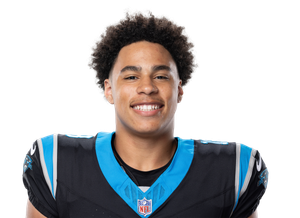 WRCarolina PanthersSteal
Goes at
136
We'd take
63
Lasts 73 picks longer than we would wait
Goes around pick 136 (round 12) in Dynasty PPR SF TEP. We would take him around 63, and he lasts 73 picks longer than that. He projects 78 points above a replacement WR over the season. Beats his weekly projection 51% of the time. Our own synced drafts let him fall even further, to about 142.
Pts vs replacement WR
78 over
Beats projection
51%
Confidence
High
 WRGreen Bay PackersSteal
Goes at
109
We'd take
40
Lasts 69 picks longer than we would wait
Goes around pick 109 (round 10) in Dynasty PPR SF TEP. We would take him around 40, and he lasts 69 picks longer than that. He projects 62 points above a replacement WR over the season. Beats his weekly projection 41% of the time. Our own synced drafts let him fall even further, to about 121.
Pts vs replacement WR
62 over
Beats projection
41%
Confidence
High
 QBPittsburgh SteelersSteal
Goes at
193
We'd take
136
Lasts 57 picks longer than we would wait
Goes around pick 193 (round 17) in Dynasty PPR SF TEP. We would take him around 136, and he lasts 57 picks longer than that. He projects 11 points above a replacement QB over the season. Beats his weekly projection 42% of the time. Our own synced drafts let him fall even further, to about 206.
Pts vs replacement QB
11 over
Beats projection
42%
Confidence
High
 TENew York GiantsSteal
Goes at
103
We'd take
58
Lasts 45 picks longer than we would wait
Goes around pick 103 (round 9) in Dynasty PPR SF TEP. We would take him around 58, and he lasts 45 picks longer than that. He projects 48 points above a replacement TE over the season. Beats his weekly projection 41% of the time. Our own synced drafts let him fall even further, to about 117.
Pts vs replacement TE
48 over
Beats projection
41%
Confidence
High
 WRJacksonville JaguarsSteal
Goes at
88
We'd take
29
Lasts 59 picks longer than we would wait
Goes around pick 88 (round 8) in Dynasty PPR SF TEP. We would take him around 29, and he lasts 59 picks longer than that. He projects 117 points above a replacement WR over the season. Beats his weekly projection 57% of the time. Our own synced drafts let him fall even further, to about 104.
Pts vs replacement WR
117 over
Beats projection
57%
Confidence
High
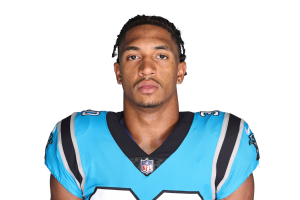 RBCarolina PanthersSteal
Goes at
112
We'd take
59
Lasts 52 picks longer than we would wait
Goes around pick 112 (round 10) in Dynasty PPR SF TEP. We would take him around 59, and he lasts 52 picks longer than that. He projects 117 points above a replacement RB over the season. Beats his weekly projection 53% of the time.
Pts vs replacement RB
117 over
Beats projection
53%
Confidence
High
 RBMinnesota VikingsSteal
Goes at
176
We'd take
126
Lasts 50 picks longer than we would wait
Goes around pick 176 (round 15) in Dynasty PPR SF TEP. We would take him around 126, and he lasts 50 picks longer than that. He projects 31 points above a replacement RB over the season. Beats his weekly projection 46% of the time. Our own synced drafts let him fall even further, to about 193.
Pts vs replacement RB
31 over
Beats projection
46%
Confidence
High
 TEMinnesota VikingsSteal
Goes at
165
We'd take
128
Lasts 37 picks longer than we would wait
Goes around pick 165 (round 14) in Dynasty PPR SF TEP. We would take him around 128, and he lasts 37 picks longer than that. He projects 1 points above a replacement TE over the season. Beats his weekly projection 46% of the time.
Pts vs replacement TE
1 over
Beats projection
46%
Confidence
High
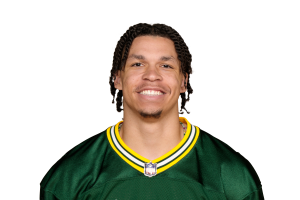 WRGreen Bay PackersSteal
Goes at
86
We'd take
35
Lasts 51 picks longer than we would wait
Goes around pick 86 (round 8) in Dynasty PPR SF TEP. We would take him around 35, and he lasts 51 picks longer than that. He projects 120 points above a replacement WR over the season. Beats his weekly projection 40% of the time. Our own synced drafts let him fall even further, to about 98.
Pts vs replacement WR
120 over
Beats projection
40%
Confidence
High
The board
Late-round swings
Available after pick 100, projects above a replacement starter, and the read is thinner. These are darts, and they are supposed to be.
Nothing in this format currently qualifies as a late-round swing.
The board
Fades
The other direction. The room is spending earlier on these players than our board says they are worth.
 QBPhiladelphia EaglesFade
Goes at
27
We'd take
132
Goes 106 picks before we would take him
Goes around pick 27 (round 3) in Dynasty PPR SF TEP. We would take him around 132, so the room is spending 106 picks too early on him. He projects 153 points below a replacement QB, so the case is the asset rather than the lineup. Beats his weekly projection 31% of the time.
Pts vs replacement QB
153 under
Beats projection
31%
Confidence
High
 RBTennessee TitansFade
Goes at
139
We'd take
224
Goes 85 picks before we would take him
Goes around pick 139 (round 12) in Dynasty PPR SF TEP. We would take him around 224, so the room is spending 85 picks too early on him. He projects 140 points below a replacement RB, so the case is the asset rather than the lineup. Beats his weekly projection 0% of the time. Our own synced drafts let him fall even further, to about 151.
Pts vs replacement RB
140 under
Beats projection
0%
Confidence
High
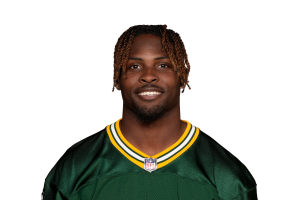 WRGreen Bay PackersFade
Goes at
126
We'd take
203
Goes 77 picks before we would take him
Goes around pick 126 (round 11) in Dynasty PPR SF TEP. We would take him around 203, so the room is spending 77 picks too early on him. He projects 143 points below a replacement WR, so the case is the asset rather than the lineup. Beats his weekly projection 35% of the time. Our own synced drafts let him fall even further, to about 140.
Pts vs replacement WR
143 under
Beats projection
35%
Confidence
High
 WRWashington CommandersFade
Goes at
90
We'd take
157
Goes 67 picks before we would take him
Goes around pick 90 (round 8) in Dynasty PPR SF TEP. We would take him around 157, so the room is spending 67 picks too early on him. He projects 107 points below a replacement WR, so the case is the asset rather than the lineup. Beats his weekly projection 47% of the time. Our own synced drafts let him fall even further, to about 100.
Pts vs replacement WR
107 under
Beats projection
47%
Confidence
High
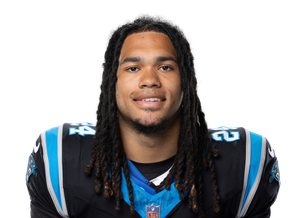 RBCarolina PanthersFade
Goes at
106
We'd take
173
Goes 66 picks before we would take him
Goes around pick 106 (round 9) in Dynasty PPR SF TEP. We would take him around 173, so the room is spending 67 picks too early on him. He projects 87 points below a replacement RB, so the case is the asset rather than the lineup. Beats his weekly projection 11% of the time. Our own synced drafts let him fall even further, to about 140.
Pts vs replacement RB
87 under
Beats projection
11%
Confidence
High
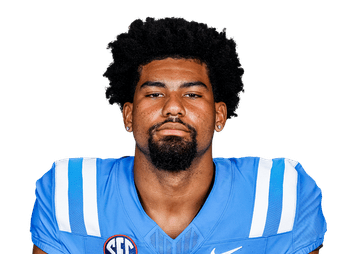 WRSan Francisco 49ersFade
Goes at
131
We'd take
186
Goes 55 picks before we would take him
Goes around pick 131 (round 11) in Dynasty PPR SF TEP. We would take him around 186, so the room is spending 55 picks too early on him. He projects 156 points below a replacement WR, so the case is the asset rather than the lineup. Beats his weekly projection 0% of the time. Our own synced drafts let him fall even further, to about 165.
Pts vs replacement WR
156 under
Beats projection
0%
Confidence
High
 WRLas Vegas RaidersFade
Goes at
192
We'd take
246
Goes 55 picks before we would take him
Goes around pick 192 (round 16) in Dynasty PPR SF TEP. We would take him around 246, so the room is spending 55 picks too early on him. He projects 93 points below a replacement WR, so the case is the asset rather than the lineup. Beats his weekly projection 33% of the time. Our own synced drafts let him fall even further, to about 216.
Pts vs replacement WR
93 under
Beats projection
33%
Confidence
High
 WRAtlanta FalconsFade
Goes at
161
We'd take
215
Goes 54 picks before we would take him
Goes around pick 161 (round 14) in Dynasty PPR SF TEP. We would take him around 215, so the room is spending 54 picks too early on him. He projects 115 points below a replacement WR, so the case is the asset rather than the lineup. Beats his weekly projection 41% of the time. Our own synced drafts let him fall even further, to about 174.
Pts vs replacement WR
115 under
Beats projection
41%
Confidence
High
 WRTampa Bay BuccaneersFade
Goes at
164
We'd take
215
Goes 51 picks before we would take him
Goes around pick 164 (round 14) in Dynasty PPR SF TEP. We would take him around 215, so the room is spending 51 picks too early on him. He projects 123 points below a replacement WR, so the case is the asset rather than the lineup. Beats his weekly projection 39% of the time.
Pts vs replacement WR
123 under
Beats projection
39%
Confidence
High
 RBMinnesota VikingsFade
Goes at
204
We'd take
259
Goes 56 picks before we would take him
Goes around pick 204 (round 17) in Dynasty PPR SF TEP. We would take him around 259, so the room is spending 56 picks too early on him. He projects 139 points below a replacement RB, so the case is the asset rather than the lineup. Beats his weekly projection 0% of the time. Our own synced drafts let him fall even further, to about 211.
Pts vs replacement RB
139 under
Beats projection
0%
Confidence
High
 WRKansas City ChiefsFade
Goes at
184
We'd take
233
Goes 49 picks before we would take him
Goes around pick 184 (round 16) in Dynasty PPR SF TEP. We would take him around 233, so the room is spending 50 picks too early on him. He projects 145 points below a replacement WR, so the case is the asset rather than the lineup. Beats his weekly projection 41% of the time. Our own synced drafts let him fall even further, to about 239.
Pts vs replacement WR
145 under
Beats projection
41%
Confidence
High
 RBPittsburgh SteelersFade
Goes at
117
We'd take
171
Goes 54 picks before we would take him
Goes around pick 117 (round 10) in Dynasty PPR SF TEP. We would take him around 171, so the room is spending 54 picks too early on him. He projects 44 points below a replacement RB, so the case is the asset rather than the lineup. Beats his weekly projection 44% of the time. Our own synced drafts let him fall even further, to about 130.
Pts vs replacement RB
44 under
Beats projection
44%
Confidence
High
Draft strategy
Tier-based drafting, explained properly
A ranking list is a single file: player 14, player 15, player 16, all the way down. It looks precise, and that is the problem. Nobody can honestly tell you the 15th best player is better than the 16th. What they can tell you is that a group of six players are all roughly the same, and then there is a real drop.
Tiers are that idea written down. Instead of one list of a hundred names you get maybe twelve groups, and inside a group the order barely matters. Between groups it matters a lot. That single change is what turns a ranking into something you can actually draft off.
The cliff is the whole point
The gap between the last player in one tier and the first player in the next is called a tier break, and people also call it a cliff, which is the more useful word. Inside a tier you are choosing between players who will probably finish near each other. Step over the break and you are taking a genuine downgrade.
So the rule that falls out of it: taking any player from the tier you are in is fine, even the one ranked lowest in it. Reaching across a break to take someone from a tier below is the move to avoid, and it is the one a plain ranking list quietly encourages, because on a flat list a two-spot difference looks the same everywhere.
Counting is the skill
Here is the habit that makes tiers pay off, and it takes about four seconds per pick. When you are on the clock, look at the tier you want a player from and count how many names are still in it. Then work out how many picks happen before your next turn.
If eight names are left in that tier and only fourteen picks separate you from your next one, some of those eight will still be there. You can spend this pick somewhere else and come back. If two names are left, they will be gone, and now you have a real decision: pay for one of them now, or accept the drop to the next tier.
That is the entire method. The question stops being which player is ranked highest and becomes which cliff you are about to fall off, and which one you can still walk back from.
Where it saves you: the positional run
Four running backs go in five picks and the room tenses up. Everyone feels behind, and the next three drafters take a running back they had not planned on. This is the single most common way a draft gets away from people.
Tiers answer it directly. If the run has emptied the running back tier you wanted, the players left are from the tier below, and reaching for one is exactly the mistake. Meanwhile the run means nobody has been taking receivers, so a receiver from a tier you rate highly may have slid to you. The run created value somewhere else in the room, and counting is how you see it while everyone else is panicking.
Scarcity is not a reason to reach
Positional scarcity gets misused constantly. It does not mean "draft this position early". It means the drop-off at that position arrives sooner, so the cost of waiting is higher there than elsewhere. Running back tends to feel scarce because the workload concentrates in fewer players; receiver usually stays deeper further into the middle rounds.
A weak player does not become a good pick because his position is thinning out. If the remaining names at a scarce position are all from a tier you do not want, the answer is to take the better player elsewhere and solve that position later, not to buy the best of a bad group at full price.
Tiers do not transfer across positions
A tier 1 quarterback and a tier 1 running back are not worth the same thing, and tier 2 receivers can be worth more than tier 2 backs. The number labels a group within its own position; it is not a currency you can spend across the board. Compare the size of the drop you are avoiding, not the tier numbers.
How this page fits
The lists above are the tier idea aimed at one specific question. A steal is a player whose cliff sits well below where the room is drafting them, which is another way of saying you can wait on him and still get the tier. A fade is the reverse: you are being asked to pay a tier early. Working out where the cliffs are is the job; this page does the arithmetic for the format you picked.
If you want the tiers themselves rather than the ends of the list, the rankings board carries a tier on every player, and On The Clock does the counting for you during a live draft, including calling out a run while it is happening.
And if you would rather draw the cliffs yourself, you can build your own rankings by picking between two players at a time, then mark a tier break wherever you see one.
Draft day
What to do with this on draft day
Do not reach for a steal
A player on the steals list is worth having because he lasts. Taking him two rounds before his ADP throws away the entire reason he is on the list. Note the pick he usually goes at, take him a few picks before that, and spend the earlier rounds on players whose price and value already agree.
Swings are supposed to fail
The late-round swings have thinner evidence than the steals, and that is the point of a late pick. One of them hitting pays for the rest missing. Take two or three of them at the end of a draft; do not build a starting lineup out of them.
A fade is not a warning about the player
Nobody on the fades list is bad. Each of them is priced ahead of what our board says he is worth, which usually means the room is paying for last season, for name recognition, or for a role that has not been confirmed. If one falls a round or two past his ADP, he stops being a fade and becomes a fine pick.
Format changes the answer more than people expect
Switching between the formats above is not cosmetic. A superflex league needs twice as many starting quarterbacks, which moves every quarterback and, because the picks have to come from somewhere, every other position too. A tight end premium does the same thing to tight ends. Read the list for the league you are actually in.
When your board falls apart
Runs happen. Three teams take a quarterback in four picks and the plan you wrote down stops applying. The useful habit is to stop thinking about the position you meant to fill and go back to the question this whole page is built on: which player available right now is furthest ahead of where he should be going. That is usually not the position that just ran.
Questions
Draft day questions, answered
What makes a player a steal instead of a fade?
A steal is a player whose cliff sits well below where the room is drafting them, so you can wait and still get the tier. A fade is the reverse: the room is paying an earlier pick than our board says they are worth.
What is a tier break?
It is the gap between the last player in one tier and the first player in the next, the point where players stop being roughly interchangeable and start being a real downgrade. The rankings board carries a tier on every player if you want to see the breaks directly.
Does the board change for dynasty and superflex leagues?
Yes. Switching formats with the picker above the lists reprices every player, and a superflex league moves quarterbacks earlier because it needs twice as many starters at the position, which pushes every other position too.
Can I use this list during my live draft?
Yes. On The Clock runs the same comparison live inside your Sleeper draft and flags a player falling past his slot while you are still on the clock.
Sources
Where these numbers come from
Values are FF Beacon's own, rebuilt daily. Projections are Sleeper's weekly numbers, rescored under each format's rules rather than read off a generic column, so a tight end premium actually counts. Reliability comes from how often each player has beaten his own weekly projection in seasons we have graded. The market side is public ADP, plus a second read from the real Sleeper drafts synced through League Pulse and On The Clock.
Everything here is free. The full rankings board shows every player rather than the ends of the list, and On The Clock runs the same comparison live inside your Sleeper draft.