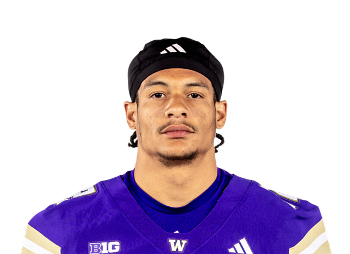
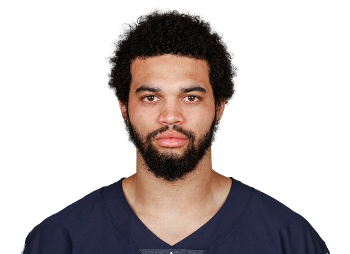
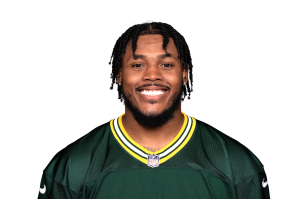
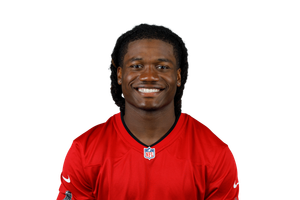
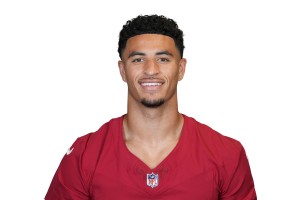
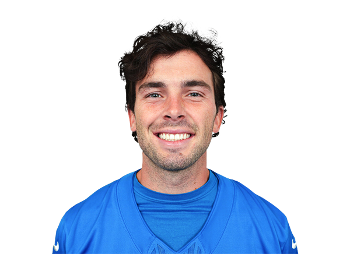
Jameson Williams or Denzel Boston?
Start Jameson Williams. Williams projects 0.0 points clear of Denzel Boston in Redraft 1QB PPR, 50 percent to outscore Boston.
Jameson Williams
StartTools
Loading this fantasy football tool.
Tools
Before you lock in a kicker or a quarterback, check this week's game day weather.
Week 8
Real Week 8 comparisons with the verdict already worked out. Open any of them on the board for the full breakdown.
Start Jameson Williams. Williams projects 0.0 points clear of Denzel Boston in Redraft 1QB PPR, 50 percent to outscore Boston.
Jameson Williams
StartThe method
It starts with a weekly point projection from Sleeper, rescored under the format set in the site header rather than left in one generic scoring. That single adjustment is why a TE premium league or a superflex league can see a different lean than a standard league for the same two players.
Still not sure?
The confidence figure gives you a clear lean, but a close start/sit call can stay close. Bring it to our Discord and real fantasy managers will help you settle it for free. Want to know what's behind FF Beacon? Read about the project.
WR DET
DET
10.5 projected points
Denzel Boston
SitWR CLE
CLE
10.5 projected points
Start Evan McPherson. McPherson projects 0.0 points clear of Chase McLaughlin in Redraft 1QB PPR, 50 percent to outscore McLaughlin.
Evan McPherson
StartK CIN
CIN
9.1 projected points
Chase McLaughlin
SitK TB
TB
9.1 projected points
Start Jalen Coker. Coker projects 0.0 points clear of Parker Washington in Redraft 1QB PPR, 50 percent to outscore Washington.
Jalen Coker
StartWR CAR
CAR
16.5 projected points
Parker Washington
SitWR JAX
JAX
16.4 projected points
Start Amon-Ra St. Brown. Brown projects 0.0 points clear of Drake London in Redraft 1QB PPR, 50 percent to outscore London.
Amon-Ra St. Brown
StartWRDET
17.6 projected points
Drake London
SitWR ATL
ATL
17.6 projected points
Start Tucker Kraft. Kraft projects 0.0 points clear of Dallas Goedert in Redraft 1QB PPR, 50 percent to outscore Goedert.
Tucker Kraft
StartTE GB
GB
11.2 projected points
Dallas Goedert
SitTE PHI
PHI
11.2 projected points
Start Dak Prescott. Prescott projects 0.1 points clear of Drake Maye in Redraft 1QB PPR, 50 percent to outscore Maye.
Dak Prescott
StartQB DAL
DAL
22.9 projected points
Drake Maye
SitQB NE
NE
22.9 projected points
Start Matthew Stafford. Stafford projects 0.1 points clear of Caleb Williams in Redraft 1QB PPR, 50 percent to outscore Williams.
Matthew Stafford
StartQB LAR
LAR
16.3 projected points
Caleb Williams
SitQB CHI
CHI
16.3 projected points
Start Josh Jacobs. Jacobs projects 0.1 points clear of Bucky Irving in Redraft 1QB PPR, 50 percent to outscore Irving.
Josh Jacobs
StartRBGB
16.0 projected points
Bucky Irving
SitRBTB
16.0 projected points
Start Michael Wilson. Wilson projects 0.1 points clear of Garrett Wilson in Redraft 1QB PPR, 50 percent to outscore Wilson.
Michael Wilson
StartWR ARI
ARI
16.4 projected points
Garrett Wilson
SitWR NYJ
NYJ
16.3 projected points
Start Chad Ryland. Ryland projects 0.1 points clear of Jake Bates in Redraft 1QB PPR, 50 percent to outscore Bates.
Chad Ryland
StartKARI
8.4 projected points
Jake Bates
SitKDET
8.4 projected points
Start Kenneth Walker III. III projects 0.1 points clear of Javonte Williams in Redraft 1QB PPR, 50 percent to outscore Williams.
Kenneth Walker III
StartRB KC
KC
20.9 projected points
Javonte Williams
SitRBDAL
20.8 projected points
Start Minnesota Vikings. Vikings projects 0.1 points clear of Cleveland Browns in Redraft 1QB PPR, 50 percent to outscore Browns.
Minnesota Vikings
StartDEF MIN
MIN
6.4 projected points
Cleveland Browns
SitDEFCLE
6.4 projected points
Next comes the matchup: how many fantasy points the opposing defense has allowed to that position, measured from our own player-by-player results rather than taken from the projection source, and adjusted for the strength of the offenses that defense actually faced. It blends the two most recent seasons of games actually played, weighting the more recent one heavier.
Then a reliability discount: how often the player has actually beaten the player's own projection in games graded so far this season, and how often the player has been available to play at all. A boom-or-bust player gets pulled back toward the field; a steady one keeps more of that projected number.
Finally, the confidence figure: the probability that the player you are told to start actually outscores the closest player left on the bench, built from the same win-probability math the League Pulse schedule board uses to grade a matchup.
Projections and injury designations refresh once a day; the timestamp above the board is the exact time the numbers you are looking at were last pulled.
Scoring formats
The format chip at the top of the board follows whatever you have set in the site header, and every player's projection is repriced under that scoring rather than shown once in a single format. PPR and half PPR change how much a high-target pass catcher is worth next to a workhorse runner; standard drops the reception bonus entirely and shifts the whole board toward touchdowns and yardage.
TE premium and superflex are treated as real formats here, not a checkbox bolted onto a PPR number, because both change who the better start actually is. For a deeper look at where a player ranks under your own scoring, see the full Redraft 1QB PPR rankings board or browse rankings for every format we support.
Your board is set to
Redraft 1QB PPR
Change it from the format control in the site header.
Volume decides most quarterback weeks before the matchup does. A quarterback who throws forty times and adds rushing work on top can outscore a tougher matchup through pure opportunity, which is why the projection starts from expected attempts and carries, not from a single highlight-worthy throw. After volume, the tool weighs the matchup: how many points the opposing defense has allowed to the position, adjusted for the offenses that defense actually faced. Game environment matters too. A quarterback expected to trail throws more; one expected to lead runs the clock out and throws less. Rushing floor is usually what separates two similar passers when their passing numbers project close together.
Start Dak Prescott. Prescott projects 0.1 points clear of Drake Maye in Redraft 1QB PPR, 50 percent to outscore Maye.
Full breakdown: Prescott vs MayeTarget share moves a wide receiver's projection more than any other number, because a receiver who sees the ball ten times a game keeps a real floor even on a week the catches go for short gains. After volume, the tool looks at the matchup a receiver actually draws, the gap between a shadow cornerback and a zone look, folded into the defense's points allowed to the position rather than guessed at separately. Game script cuts the other way from running backs: a team expected to trail throws more, which lifts every pass catcher on the roster, including one who would otherwise look like the week's riskier option.
Target share does the most work at tight end, because touchdown-dependent, boom-or-bust production is what separates a usable weekly starter from a name a reader only half recognizes. The tool leans on route participation and red-zone role ahead of raw catch totals, since a tight end on the field for every pass play keeps a real floor even in a game that never turns into a shootout. Matchup still counts, particularly against a defense that struggles to cover the position out of its base personnel, but the gap between replacement level and the position's best players is unusually wide, so role tends to beat matchup more often here than it does at wide receiver.
A flex spot compares players across positions directly on projected points, which is exactly what this tool does: whichever player projects to score more, once matchup, role, and reliability are folded in, is the better start regardless of position. A running back's weekly floor usually comes from touches guaranteed regardless of how the game unfolds, while a receiver's ceiling usually comes from a matchup or a script that favors the pass, so the flex call is often a trade-off between the two rather than a clear edge for either position. When the projections sit close together, the confidence figure and the reliability numbers are the tiebreaker worth trusting over raw upside.
In order
Start with the projection: it already accounts for volume, role, and game script, so it beats a gut feeling about a name you recognize.
Weigh the matchup next, favorable or tough, but treat it as a nudge on a close projection rather than a reason to overturn a clear one.
If your team is favored, lean toward the safer floor between two similar options; if you are the underdog, lean toward the higher ceiling, since a spot start is worth more when you are chasing points than when you are protecting a lead.
Check injury status and weather last, after the numbers, since a limited practice designation or a wind forecast only matters once you know which players were close to begin with.
Never bench a clearly better player over a tough matchup alone; a stud facing a hard matchup is still usually a better start than a replacement-level player facing an easy one.
FAQ
Comparing up to 8 players at once is built into the board above; nothing here requires an account.
Yes. Add up to 8 players to one board and set how many of them you plan to start. The tool ranks the whole group and shows where the close calls sit, alongside the top pick.
It reprices every player under the format set in the site header, including PPR, half PPR, standard, TE premium, and superflex. Connect a Sleeper league from the board and the verdict switches to that league's own literal scoring rules instead of a generic format.
It is the probability that the player you are told to start actually outscores the closest player left on your bench, built from each player's projected points and how much those points tend to vary week to week. A figure near 50 percent means the call is close; one near 100 percent means it is not.
Projections and injury designations refresh once a day. The timestamp shown above the board is the exact time the numbers below it were last pulled.
Yes. Running a comparison costs nothing and does not require an account.
A ranking is a rest-of-season opinion; this verdict is for one week only. A player can sit ahead of another for the rest of the year and still be the worse start in a single week with a tougher matchup or a bye.
Whichever one this tool ranks higher for the week you are setting. Points are compared directly across positions here, which is exactly what a flex decision calls for, and the higher-ranked player is the better start regardless of position.
League Pulse
This tool answers one question at a time: of the players you put in, which ones to start. League Pulse answers a bigger one, your whole starting lineup for the week, filled from your actual Sleeper roster under your league's real scoring.
Start Matthew Stafford. Stafford projects 0.1 points clear of Caleb Williams in Redraft 1QB PPR, 50 percent to outscore Williams.
Put Stafford and Williams on the boardStart Patrick Mahomes. Mahomes projects 0.1 points clear of Jordan Love in Redraft 1QB PPR, 50 percent to outscore Love.
Check Mahomes against LoveWorkload settles most running back decisions. Carries plus targets, not yards per carry, is the strongest predictor of a week's points, so the tool weighs a back's expected touch share ahead of anything about breakaway speed. Matchup counts for less here than reputation suggests: a defense that is stout against the run can still give up a pile of points through the passing game, so a back who catches passes keeps a real floor even against a tough front. Goal-line and short-yardage role adds touchdown equity a pure yardage projection misses, which is why work inside the ten is tracked as its own input rather than folded into one blended rate.
Start Josh Jacobs. Jacobs projects 0.1 points clear of Bucky Irving in Redraft 1QB PPR, 50 percent to outscore Irving.
Full breakdown: Jacobs vs IrvingStart Kenneth Walker III. III projects 0.1 points clear of Javonte Williams in Redraft 1QB PPR, 50 percent to outscore Williams.
Put III and Williams on the boardStart James Cook III. III projects 0.1 points clear of Derrick Henry in Redraft 1QB PPR, 50 percent to outscore Henry.
Check III against HenryStart Jameson Williams. Williams projects 0.0 points clear of Denzel Boston in Redraft 1QB PPR, 50 percent to outscore Boston.
Full breakdown: Williams vs BostonStart Jalen Coker. Coker projects 0.0 points clear of Parker Washington in Redraft 1QB PPR, 50 percent to outscore Washington.
Put Coker and Washington on the boardStart Amon-Ra St. Brown. Brown projects 0.0 points clear of Drake London in Redraft 1QB PPR, 50 percent to outscore London.
Check Brown against LondonStart Tucker Kraft. Kraft projects 0.0 points clear of Dallas Goedert in Redraft 1QB PPR, 50 percent to outscore Goedert.
Full breakdown: Kraft vs GoedertStart Dallas Goedert. Goedert projects 0.1 points clear of Sam LaPorta in Redraft 1QB PPR, 50 percent to outscore LaPorta.
Put Goedert and LaPorta on the boardStart Brenton Strange. Strange projects 0.1 points clear of Harold Fannin Jr. in Redraft 1QB PPR, 50 percent to outscore Jr..
Check Strange against Jr.Defense and kicker both live and die by game script more than most positions. A defense's points lean heavily on takeaways and touchdowns, among the least predictable events in football, so the matchup, an opponent's turnover rate and offensive line quality, carries more weight here than for an offensive skill position. A kicker's floor is field goal volume, which rises in a game expected to stall in the red zone and falls in one expected to end in touchdowns, so the same game-environment signal that lowers a kicker's outlook often raises the defense's. Both are the most matchup-driven calls on the board and worth checking against the week's projected team totals.
Start Evan McPherson. McPherson projects 0.0 points clear of Chase McLaughlin in Redraft 1QB PPR, 50 percent to outscore McLaughlin.
Full breakdown: McPherson vs McLaughlinStart Chad Ryland. Ryland projects 0.1 points clear of Jake Bates in Redraft 1QB PPR, 50 percent to outscore Bates.
Put Ryland and Bates on the boardStart Minnesota Vikings. Vikings projects 0.1 points clear of Cleveland Browns in Redraft 1QB PPR, 50 percent to outscore Browns.
Check Vikings against Browns